
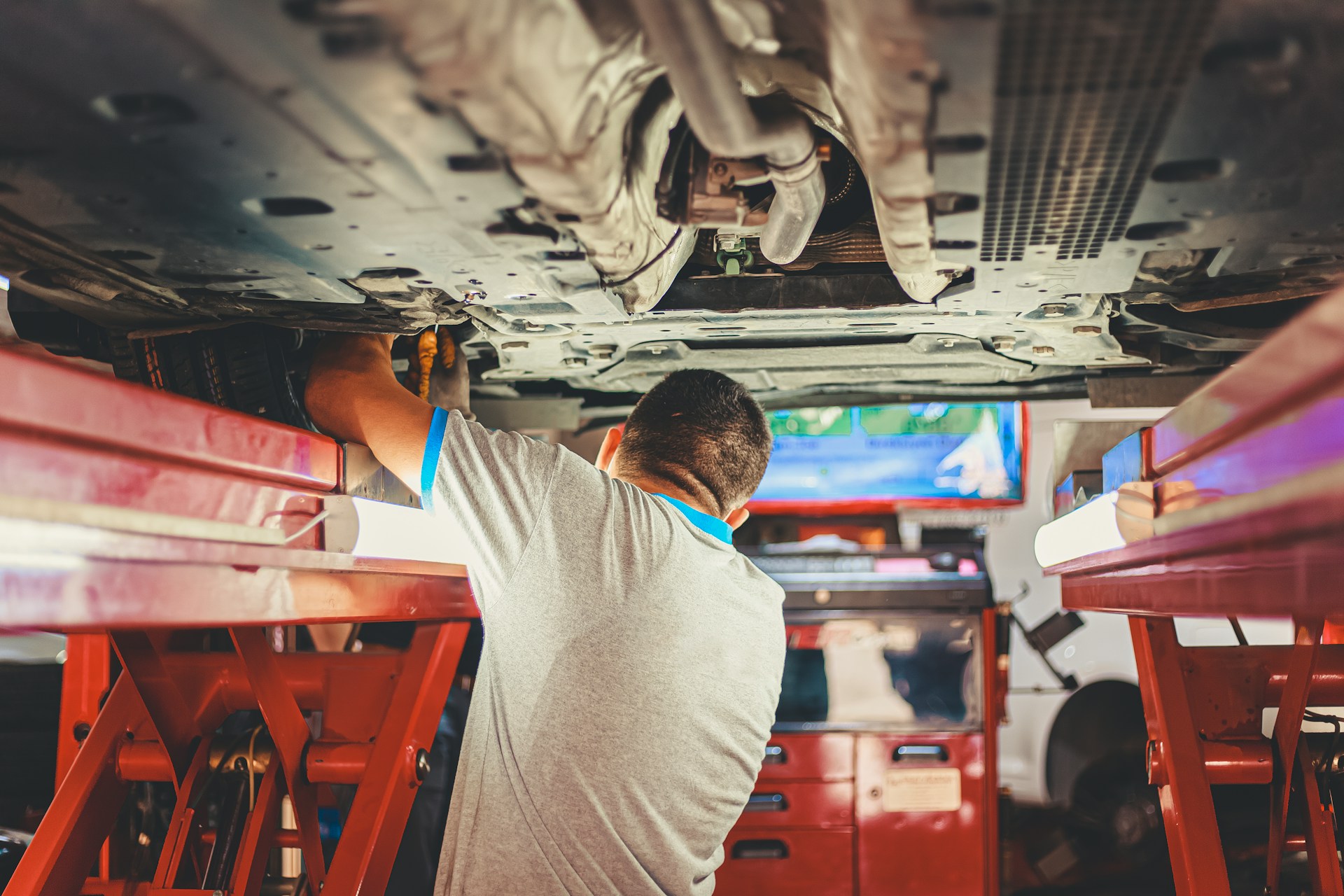
If you’ve lived in Winona for even one winter, you know it doesn’t ease in gently. One week it’s fall, the next you’re scraping ice off the windshield before sunrise. Your car feels that shift just as much as you do, and a little prep now saves a lot of frustration once the snow starts flying.
Here’s what to check before winter really settles in.
Check Your Battery
Cold weather is brutal on car batteries. It thickens engine oil, which makes the starter work harder, right as the battery’s own output naturally drops in low temperatures. A battery that’s been fine all year can suddenly struggle the first hard freeze.
What to do: Have your battery tested before winter hits. If it’s more than three years old, consider replacing it now rather than finding out the hard way on a five-below morning.
Switch to Winter-Ready Tires or Check Tread
All-season tires lose grip once temperatures drop consistently below about 45 degrees, because the rubber compound stiffens up. If you’re driving on ice and snow regularly, dedicated winter tires make a real difference in traction and stopping distance.
What to do: If winter tires aren’t in the cards, at minimum check your tread depth and make sure your all-seasons still have enough grip left for the season. And don’t forget to check tire pressure, since it drops as temperatures fall.
Check Your Coolant and Antifreeze
Coolant doesn’t just prevent overheating in summer. It also keeps your engine from freezing in winter. If the mixture is off or the fluid is old, you’re at risk in both directions.
What to do: Have your coolant level and freeze protection checked. It’s a quick test that confirms your system is ready for the cold.
Inspect Your Wiper Blades and Washer Fluid
Nothing is worse than losing visibility in a snowstorm because your wipers are smearing instead of clearing. Standard washer fluid can also freeze in the lines when temperatures drop.
What to do: Swap in winter wiper blades if yours are worn, and switch to a washer fluid rated for sub-zero temperatures.
Check Your Heater and Defroster
You need your heater for more than comfort. A working defroster is what keeps your windshield clear, and that’s a safety issue, not a convenience one.
What to do: Run your heater and defroster before the first cold snap to make sure both are working properly. If you notice weak airflow or a heater that’s not blowing hot, get it looked at before you need it.
Keep an Eye on Your Brakes
Winter driving means more sudden stops on slick roads, and that puts extra demand on your brakes at the exact time you need them most reliable.
What to do: Get your brakes inspected heading into winter if it’s been a while. Better to know now than to find out on an icy hill.
Pack an Emergency Kit
Even a well-maintained car can leave you stranded in a Minnesota winter. A basic kit in your trunk can make a stressful situation a lot more manageable.
Consider including:
- Blankets or an extra layer of warm clothing
- A flashlight with extra batteries
- Jumper cables
- A small shovel
- Sand or kitty litter for traction if you get stuck
- Non-perishable snacks and water
Get a Pre-Winter Inspection
The easiest way to cover all of this at once is a full inspection before winter sets in. We’ll check your battery, tires, fluids, brakes, and heating system so you won’t be left guessing what needs attention.
Winter in Winona isn’t going anywhere, but a little preparation now means fewer surprises once it arrives. Give us a call, and we’ll get your vehicle ready for the season.
