
In Minnesota, winter doesn’t ease in. One week you’re fine in a hoodie, the next morning the truck won’t crank and the washer fluid is a block of ice. A short pre-winter check now is cheaper than a no-start in a Winona driveway when you need to get to work.
We’re not talking about a mystery “winter package.” We’re talking about the parts of the car Minnesota actually punishes: battery, oil, coolant, brakes, tires, wipers and washer fluid, belts and hoses, four-season visibility, and the basics that keep you from getting stranded. We’ll tell you what’s due, what can wait, and what it’ll cost. There are no padded while-you’re-here lists to upsell you.
Battery and charging
Cold kills weak batteries. Thick oil and higher electrical demand on a sub-zero morning will expose a battery that still “worked” in October. Accessories, short trips, and overnight cold all stack up. We check cranking strength and charging so you’re not guessing whether it’s the battery, the alternator, or a dirty connection. If it’s time, we’ll say so. If it’s not, we won’t sell you one anyway.
Oil and cold starts
Oil thickens when it’s cold. The wrong viscosity, or oil that’s overdue, makes hard starts harder and wears the engine when you first fire it up — exactly when Minnesota mornings are hardest on the motor. A pre-winter oil service (when it’s actually due) is one of the simplest ways to keep cold starts from costing you long-term. We’ll match the service to what’s due, not invent a change you don’t need.
Coolant and freeze protection
Coolant isn’t just for summer overheating. In Minnesota it has to protect against freeze-up that can crack components and leave you with a much bigger repair. We check level and condition so you’re not relying on whatever was left in the system from years ago. If it’s weak, diluted, or filthy, you’ll hear the straight answer and the real options.
Brakes before the ice
Ice and packed snow don’t give you extra stopping room. Soft pedals, worn pads, or a sticking caliper that was easy to ignore in August show up fast on a slick street or a snowy hill. We inspect pads, rotors, and hydraulic feel so you know what needs attention before the first real freeze, not after a scare at an intersection. If something can safely wait, we’ll say that too.
Tires, tread, and pressure
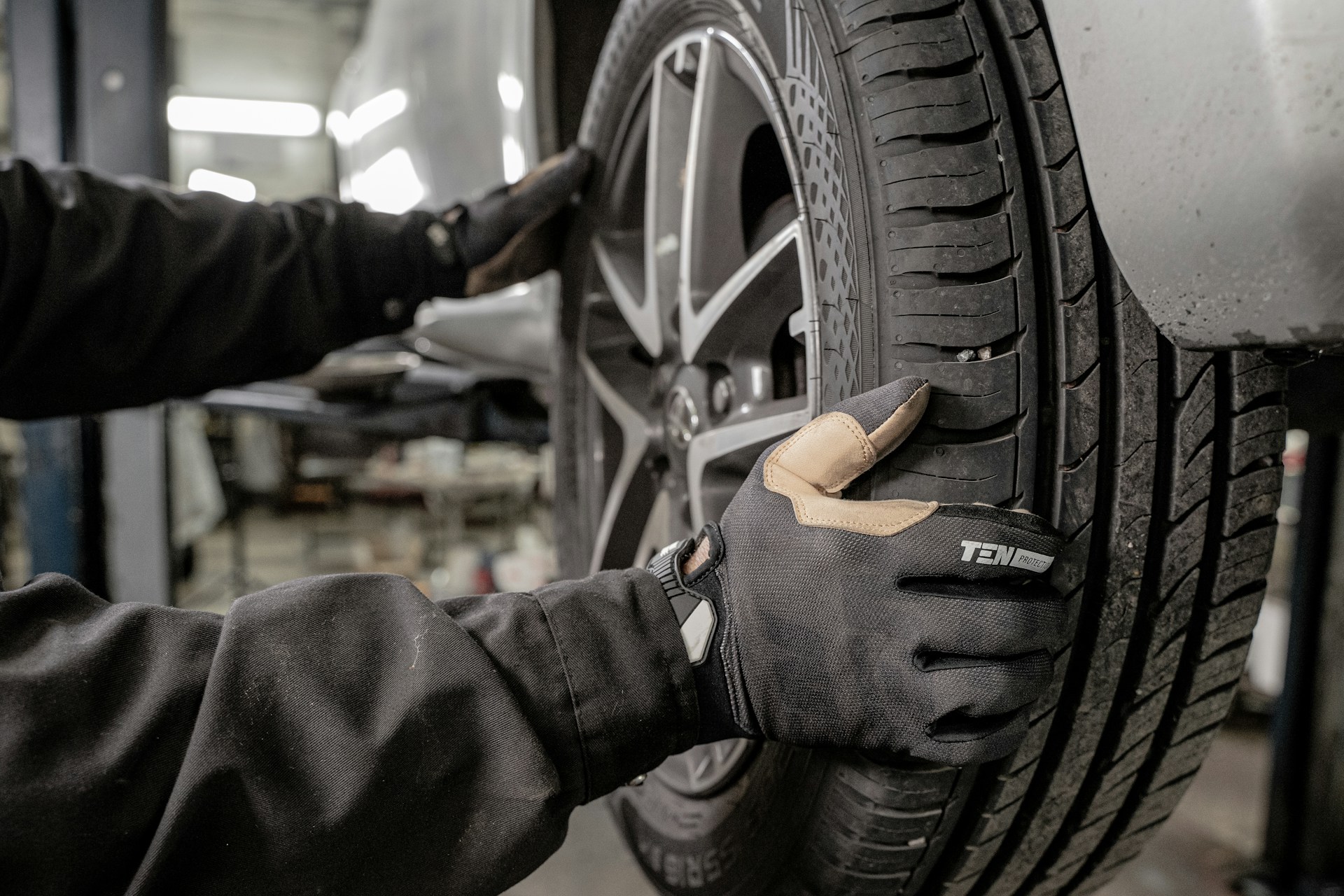
Tire pressure drops with the temperature. The pressure change is easy to miss until the car feels soft or the TPMS light shows up on a cold morning. Tire tread that was “okay” on dry pavement is a different story on snow-packed side streets. We check wear and pressure and talk through what’s safe for how you actually drive whether you’re commuting, off to job sites, or managing a small work fleet — without pushing a tire sale you don’t need.
Wipers and washer fluid
Minnesota winters are salt, slush, and sideways snow. Worn blades smear; summer washer fluid freezes in the reservoir or on the glass. Fresh winter-rated fluid and blades that clear the windshield are cheap insurance for visibility when you’re already dealing with short daylight and dirty roads.
Belts, hoses, and heat
Cold makes brittle rubber worse. A cracked belt or hose can leave you without charging, power steering, or heat when you need defrost the most. We look for dry rot, leaks, and weak spots, and we check that cabin heat and defrost are doing their job. A fogged windshield in January isn’t a comfort issue, it’s a safety issue.
Lights, battery drain, and short trips
Winter means more headlights, more defrost, and more short trips that never fully recharge a weak battery. If you’ve been doing a lot of in-town driving, it’s worth making sure the charging system and battery are keeping up before a stretch of deep cold. That’s part of the same honest check, not an excuse to upsell accessories.
What you get from the visit
A clear list of what’s actually needed, what can wait until the next service, and honest pricing. Same standard whether it’s one daily driver or a couple of work trucks: no upsell theater, no guessing games. If something’s outside what we should handle, we’ll say that too.
If you run a small fleet or just can’t miss work days, do this before the first stretch of deep cold — not after the first no-start. Timing is the cheapest part of winter prep.
Don’t wait for the first hard freeze to find out. Schedule a pre-winter check while you still have a choice about the timing.
