
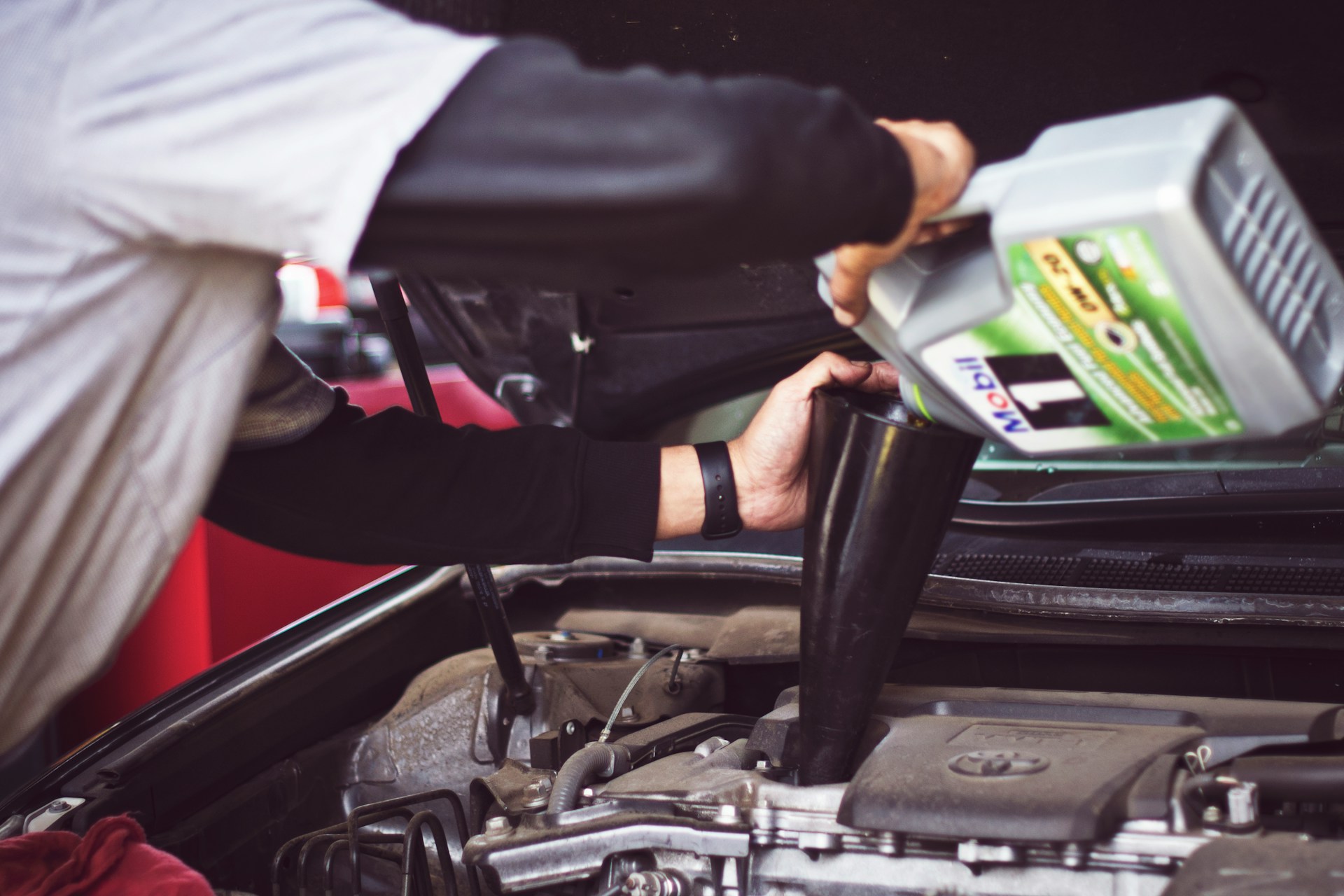
How Regular Oil Changes Save You Money
An oil change is one of the cheapest things you can do for your car, and it’s also one of the easiest to put off. No warning light, no strange noise, just a sticker on your windshield that quietly passes its due date. But skipping oil changes is one of the fastest ways to turn a small, routine expense into a major repair bill.
What Oil Actually Does
Motor oil isn’t just there to keep things slippery. It lubricates all the moving metal parts inside your engine, carries away heat, and picks up dirt and debris so it doesn’t grind against your engine’s internals. Over time, oil breaks down, loses its ability to lubricate properly, and gets loaded with contaminants. Once that happens, it stops protecting your engine the way it should.
What Happens When You Skip Them
Old, dirty oil doesn’t just wear the engine down gradually. It can lead to a few very expensive outcomes:
- Increased friction and wear between engine components that were designed to glide past each other
- Sludge buildup, which clogs oil passages and starves parts of the engine of lubrication
- Overheating, since old oil is less effective at carrying heat away
- Reduced fuel efficiency, since your engine has to work harder to overcome added friction
- Premature engine failure, which is the big one. A full engine replacement can cost thousands of dollars, compared to an oil change that costs a small fraction of that
The Real Math Behind It
Think of an oil change as insurance for your engine. A routine oil change is a predictable, manageable cost. An engine that fails from years of neglect is not. Beyond the catastrophic scenario, clean oil also keeps your engine running efficiently, which shows up in better gas mileage and fewer smaller repairs along the way. The money you spend on oil changes tends to come back to you in fuel savings and in repairs you never had to make.
How Often You Actually Need One
The old “every 3,000 miles” rule doesn’t apply to every car anymore. Most modern vehicles can go 5,000 to 7,500 miles between changes, and some full synthetic setups stretch even further. The right interval depends on your specific vehicle, the type of oil it uses, and how you drive. Towing, short trips, and extreme temperatures all put extra strain on oil and can shorten that interval.
Your owner’s manual has the manufacturer’s recommendation, but if you’re ever unsure, it’s worth asking rather than guessing.
What a Good Oil Change Includes
A proper oil change is also a chance to catch small issues before they become big ones. When we change your oil, we’re also checking your oil filter, looking over fluid levels, and giving your vehicle a quick once-over so nothing sneaks up on you later.
The Bottom Line
Regular oil changes are inexpensive, predictable, and easy to schedule. Skipping them trades a small, known cost now for the risk of a much bigger, unpredictable one later. If it’s been a while since your last one, it’s worth getting on the calendar.
