
If you drive around Winona long enough, through the ice in January and the humidity in July, your car is going to tell you something’s wrong eventually. The good news is that most of the problems we see in the shop didn’t have to happen. They show up slowly, give plenty of warning, and get fixed a lot cheaper when you catch them early instead of waiting for the tow truck.
Here are five of the most common issues we run into, and what you can do to stay ahead of them.
1. Dead or Dying Battery
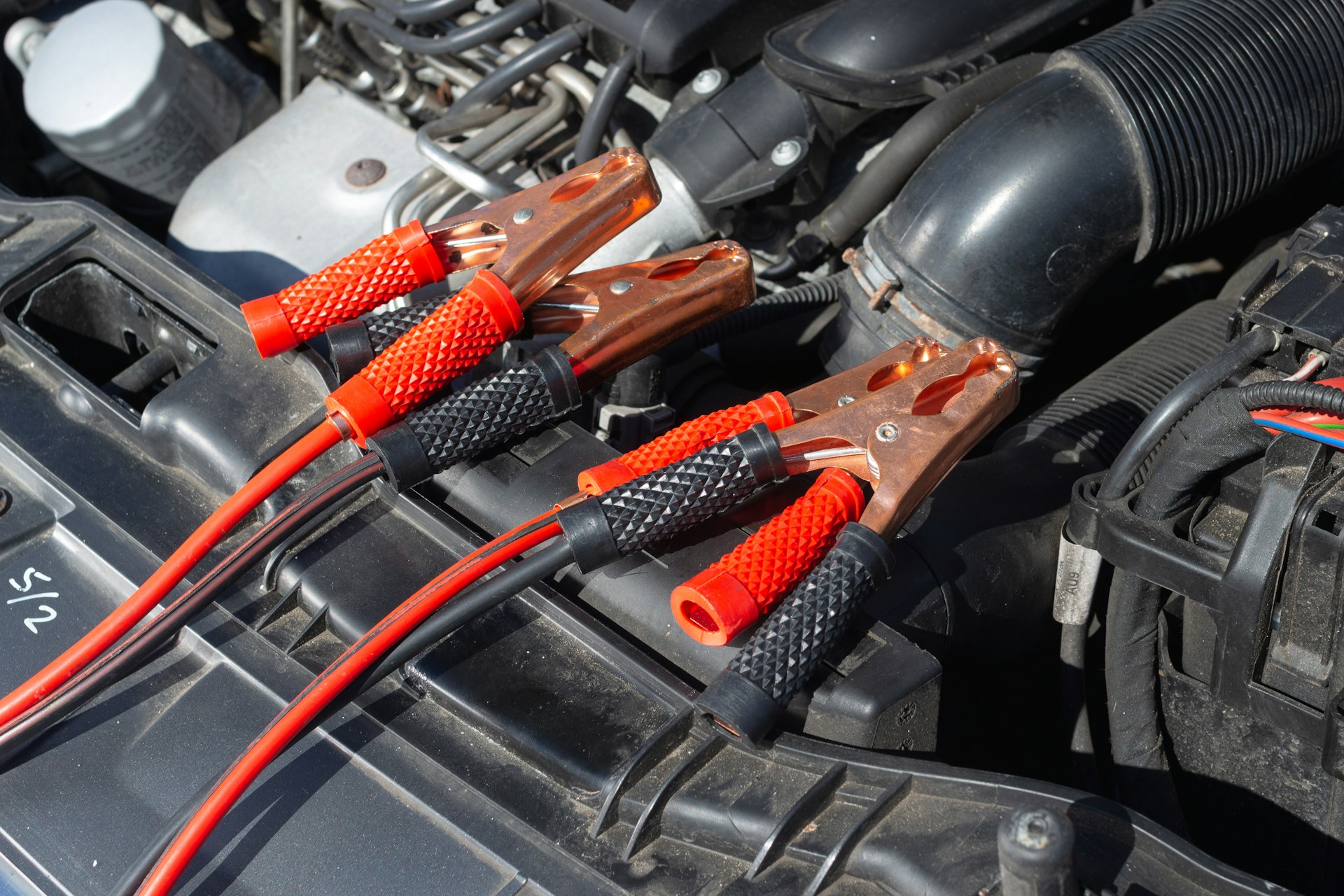
Nothing ruins a morning like turning the key and hearing that slow, sad click. Batteries typically last three to five years, but our winters are hard on them. Cold weather thickens engine oil and makes the battery work harder to start the car, right at the exact moment the battery itself is weakest.
How to avoid it: Have your battery tested at every oil change, especially heading into fall. If it’s more than three years old, don’t wait for it to die on you. Replace it on your schedule, not its own.
2. Worn Brake Pads
Squealing, grinding, or a soft pedal that sinks farther than it used to are all signs your brakes are wearing down. Brake pads are a wear item by design, but ignoring the warning signs turns a simple pad replacement into a much more expensive rotor job.
How to avoid it: Get your brakes inspected at least once a year, or sooner if you notice any noise or vibration when stopping. Catching worn pads early keeps the job small.
3. Low or Dirty Fluids
Engine oil, transmission fluid, coolant, brake fluid. Your car runs on a handful of fluids that all break down over time, and every one of them has a job that matters. Low or degraded fluid is behind a huge share of the breakdowns we see, and it’s almost always preventable.
How to avoid it: Stick to your car’s recommended service intervals rather than going by feel. A quick fluid check takes minutes and can save you from a much bigger repair down the road.
4. Worn or Underinflated Tires
Tires lose pressure with every drop in temperature, and a Minnesota winter can easily take several PSI off your tires without you noticing. Underinflated or worn tires affect your handling, your gas mileage, and how safely you stop on wet or icy roads.
How to avoid it: Check your tire pressure monthly, especially as the seasons change, and keep an eye on tread depth. If you can see the top of Lincoln’s head when you stick a penny in the tread, it’s time for new tires.
5. Overheating Engine
An engine that runs hot can warp, crack, or fail outright, and it’s one of the most expensive problems to fix if it goes unaddressed. Overheating is usually caused by something simple: low coolant, a failing thermostat, or a worn water pump, all of which are easy to catch during a routine check.
How to avoid it: Don’t ignore the temperature gauge or a coolant warning light. If your car is running warmer than usual, get it looked at before you’re stuck on the shoulder of Highway 61.
The Real Takeaway
Every item on this list has the same fix: regular maintenance. A quick inspection now is always cheaper than a breakdown later, and it’s a lot easier on your schedule too.
If it’s been a while since your car has had a good once-over, stop in and we’ll take a look. Better to catch it in the shop than on the side of the road.
